The Growing Popularity of Smart Rings for Health Tracking: Features, Accuracy, and Daily Benefits
A Sleek New Player in the Wearable Technology Landscape
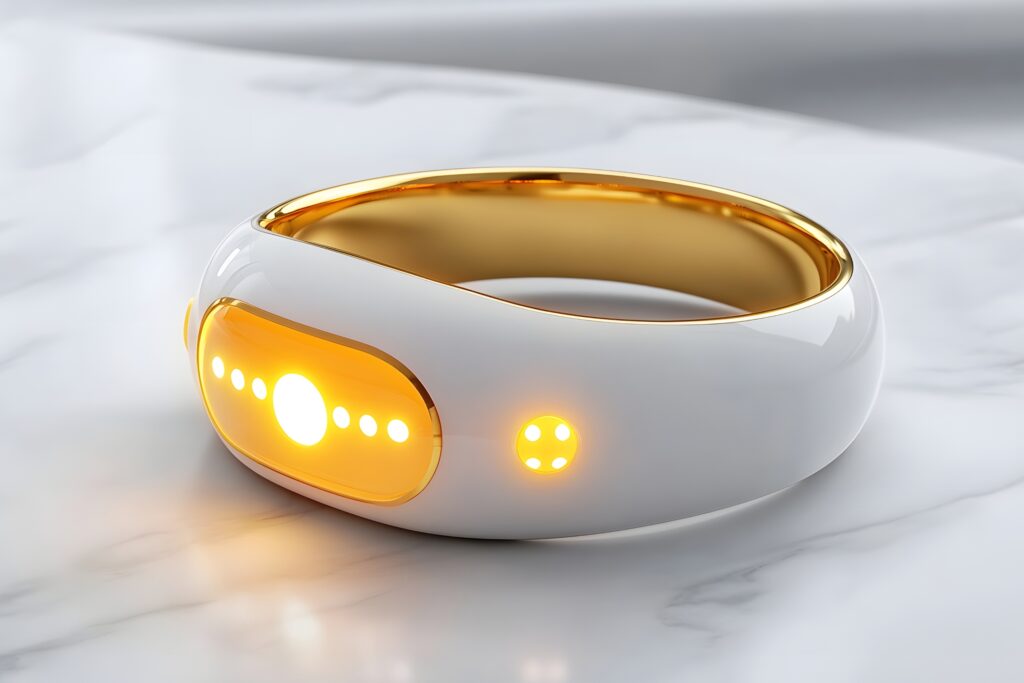
Smart rings have quickly shifted from futuristic concepts to everyday health tools, capturing the attention of consumers who want accurate tracking without the bulk of a smartwatch. As lifestyles become increasingly digital yet more focused on well-being, smart rings offer a discreet, stylish alternative for monitoring health metrics around the clock. These compact devices pack impressive technology into minimal designs, appealing to individuals who prefer subtle wearables that blend effortlessly into daily routines. Their growing popularity reflects the rising demand for wellness-oriented gadgets that provide real-time insights while maintaining comfort and versatility. Unlike larger devices, smart rings can be worn at night, during work, or during workouts without distraction, making them a powerful solution for individuals looking for continuous, unobtrusive health monitoring. With major brands refining their sensors, algorithms, and app integrations, smart rings have become one of the most compelling advancements in the personal health tracking market today.
Why Smart Rings Are Becoming the Preferred Choice for Wellness Tracking
Smart rings stand out in the wearable market because they offer a combination of comfort, accuracy, and convenience that many users feel traditional wearables lack. Their lightweight design allows individuals to monitor health metrics without the weight of a smartwatch or fitness band. This makes them particularly appealing for people who prefer minimalist accessories or need something suitable for extended wear, including throughout sleep. Smart rings are designed to stay out of the way, providing comprehensive data without interrupting daily activities.
Beyond comfort, they offer strong accuracy in areas such as sleep tracking, heart rate monitoring, and activity detection. The sensors are positioned around the finger, closer to arteries than wrist-based devices, which can improve the precision of certain readings. This advantage contributes to the growing interest in emerging consumer tech innovations, as consumers increasingly search for devices that combine practicality with scientific reliability. The ability to gather consistent, uninterrupted data makes smart rings ideal for anyone wanting a deeper understanding of their health without committing to bulkier wearables.
Key Features That Make Smart Rings Highly Competitive
Modern smart rings include an impressive range of features despite their small size. Many models offer advanced sleep analysis, including measurements for REM cycles, deep sleep duration, and nighttime movement. This data helps users understand how daily behavior affects sleep quality and overall health. Additionally, smart rings track metrics such as heart rate variability (HRV), skin temperature, and stress indicators, providing holistic insights into daily wellness.
Another standout feature is battery efficiency. Many rings last up to a week on a single charge, significantly outperforming smartwatches that require near-daily charging. This longevity ensures uninterrupted monitoring, making smart rings ideal for people with busy schedules. Their durable, water-resistant designs also support all-day wear, whether during workouts, household chores, or outdoor activities. App integration allows users to interpret data seamlessly through clear dashboards and personalized recommendations. These combined features make smart rings competitive alternatives to traditional wearables, giving users meaningful insights without sacrificing comfort or style.
Accuracy and Long-Term Tracking: What Users Should Know
Smart rings have gained credibility due to the consistency and precision of their data. Their position on the finger gives sensors a stable location close to pulse points, allowing more accurate readings compared to wrist-based devices that may shift during movement. Sleep tracking is one area where smart rings particularly excel. They measure subtle physiological changes that occur overnight, offering detailed insights that help users develop healthier sleep habits. Whether someone is trying to understand nighttime disturbances or optimize recovery, this accuracy makes a noticeable difference.
Long-term tracking also plays a major role in the appeal of smart rings. By collecting continuous data over weeks and months, these devices help users identify patterns that may otherwise go unnoticed. This is especially valuable for individuals monitoring stress levels, improving exercise routines, or observing how lifestyle changes influence overall wellness. The consistent stream of information empowers users to make informed decisions rather than relying on guesswork. As smart rings continue to evolve, their ability to provide reliable long-term analysis positions them as powerful tools for personal health improvement.
Why Smart Rings Fit Today’s Fast-Paced, Health-Focused Lifestyle
Smart rings align naturally with the modern desire for practicality, intentional living, and discreet wellness tracking. Many people want to improve their health but struggle with the inconvenience of bulky wearables or constant screen notifications. Smart rings solve this issue by providing meaningful insights without disrupting daily routines. Their subtle design appeals to professionals, students, athletes, and anyone who values comfort and simplicity. This makes them especially popular among users who want accurate monitoring during sleep—a crucial feature for improving long-term health.
The growing popularity of smart rings also reflects the rising interest in a modern lifestyle knowledge platform, where individuals seek simple tools that promote healthier choices. Smart rings empower users by connecting data to daily habits, helping them understand how stress, sleep, diet, and movement influence their well-being. As people prioritize long-term wellness, the demand for intuitive and unobtrusive health technology continues to rise. Smart rings fit perfectly into this cultural movement, offering a blend of science, comfort, and modern utility.
How Smart Rings Are Shaping the Future of Personal Health Tech
Smart rings represent a significant shift in how consumers interact with health data. Their small form factor and advanced capabilities demonstrate how personal tech can become more intuitive and less intrusive. As manufacturers continue refining their sensors, algorithms, and user experience, smart rings are poised to play a central role in the next era of wearable innovation. Their success signals a move toward devices that complement daily life rather than dominate it.
The future may bring even more advanced features, such as early illness detection, improved biometrics, and deeper integration with medical platforms. As technology evolves, smart rings could become essential tools for preventive wellness, supporting individuals in making proactive decisions about their health. Their adaptability makes them suitable for a wide range of users, from casual fitness enthusiasts to data-focused professionals. With increasing awareness of the importance of long-term wellbeing, smart rings continue to gain recognition as one of the most promising advancements in personal health monitoring.
Conclusion
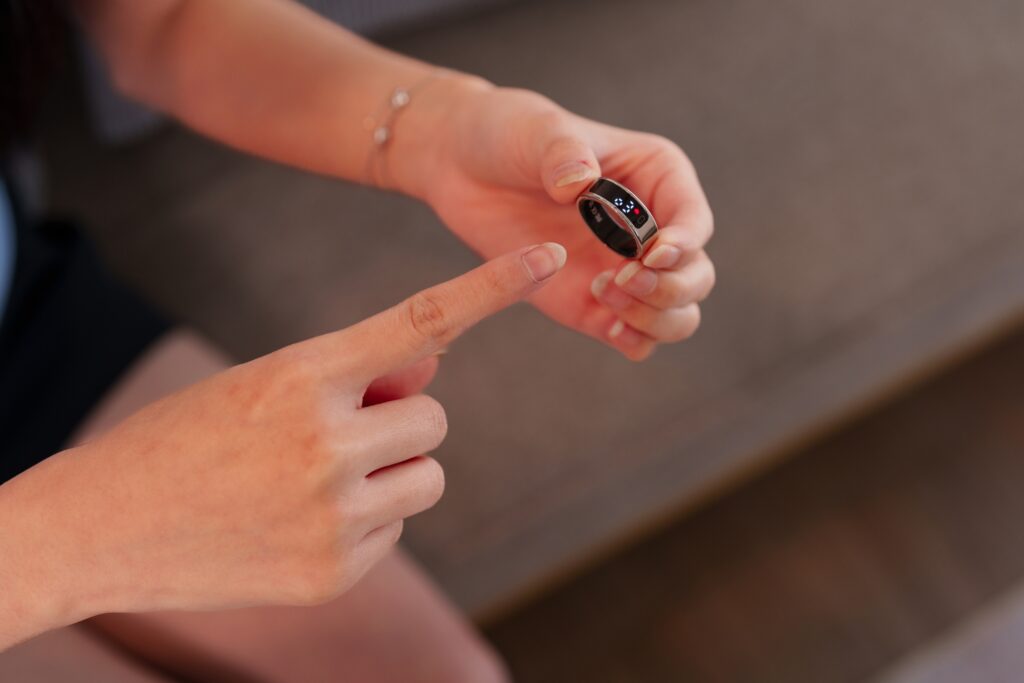
Smart rings have emerged as a powerful alternative to traditional wearables, offering comfort, accuracy, and advanced health tracking in an impressively compact design. Their ability to monitor essential wellness metrics—combined with long battery life and discreet styling—has made them highly appealing to individuals seeking intuitive tools for daily health management. As the demand for convenient and reliable technology grows, smart rings continue to stand out for their practicality and scientific precision. They fit seamlessly into busy routines while offering valuable insights that help users make informed lifestyle decisions. With their expanding features and evolving capabilities, smart rings represent a meaningful advancement in the world of personal wellness technology, one that is likely to influence health habits for years to come.