
Understanding Hand-Foot-and-Mouth Disease: Updated Prevention Strategies and the Most Effective Home Care Treatments
A Closer Look at a Common Childhood Illness Affecting Modern Families
Hand-foot-and-mouth disease (HFMD) has become increasingly common, especially among young children who spend time in schools, daycare centers, and playgroups. Although HFMD is typically mild, many parents and caregivers experience understandable concern when symptoms suddenly appear. The illness often presents with fever, sore throat, mouth ulcers, and the characteristic rash on the hands and feet. These symptoms can be uncomfortable and alarming for families experiencing them for the first time. As communities become more interconnected and families participate in shared environments, understanding HFMD has become essential for preventing unnecessary worry and ensuring proper care. Recent discussions in the health community emphasize that early recognition and supportive treatment remain the most effective ways to manage the condition. With clear information and practical steps, families can navigate HFMD confidently without feeling overwhelmed. As prevention strategies continue to evolve, learning how HFMD spreads and how to manage symptoms can help reduce transmission and support faster recovery.
Understanding How HFMD Spreads in Daily Environments
HFMD spreads primarily through close personal contact, respiratory droplets, and contact with contaminated surfaces or objects. This explains why the illness is so common among children who share toys, touch communal surfaces, or play closely with one another. The virus can also spread through saliva, nasal discharge, and the fluid from the distinctive skin blisters. Because children often touch their faces and surroundings frequently, HFMD can circulate quickly within group settings. Adults can also contract the illness, although symptoms tend to be milder and sometimes go unnoticed.
One of the most important steps in managing HFMD is understanding the role of hygiene. Frequent handwashing, proper surface cleaning, and regular disinfection of shared objects significantly reduce the likelihood of transmission. Families should stay alert to symptoms such as mouth discomfort or unexplained rashes, as early detection supports timely care and reduces spread. These practices represent practical everyday health guidance that can be applied not only to HFMD but also to many other common viral illnesses. By raising awareness and reinforcing simple habits, communities can slow the spread of infections while creating environments that support overall wellness.
Recognizing Symptoms Early for Faster Management
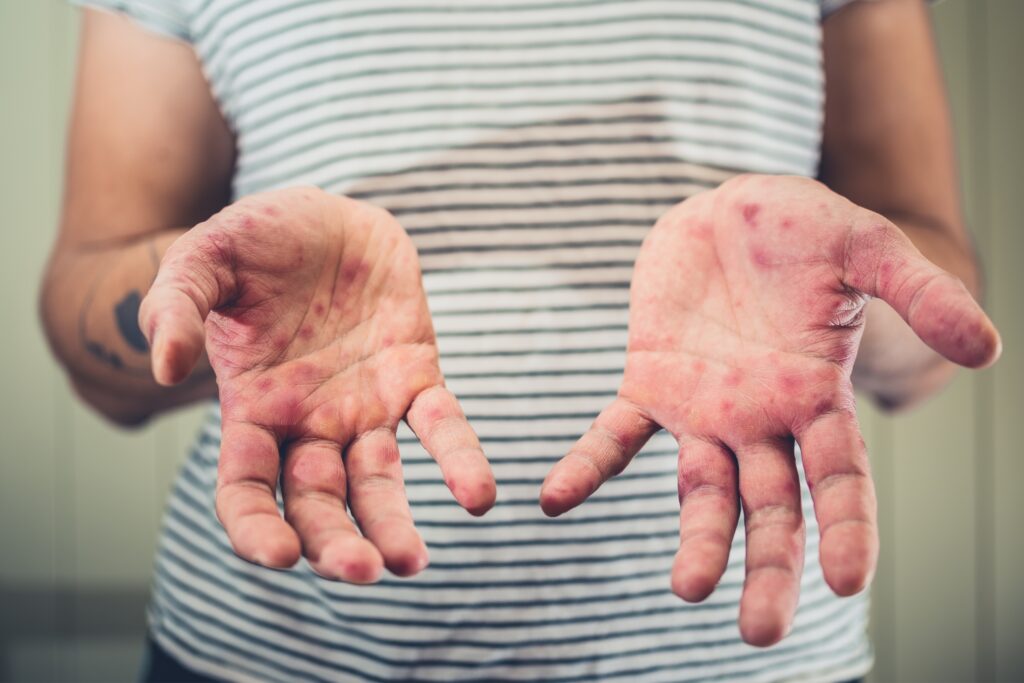
Early recognition of HFMD symptoms allows families to respond quickly, reducing discomfort and preventing further exposure. Children often begin with mild fever, reduced appetite, and sore throat before ulcers appear inside the mouth. These ulcers can cause discomfort while eating or drinking, leading to irritability and reduced hydration. Shortly afterward, red spots or blisters may form on the palms, soles, and sometimes the buttocks or legs. Although these rashes may look concerning, they typically resolve on their own with proper care.
Monitoring symptoms closely helps caregivers understand the progression of the illness and determine when additional support is needed. In most cases, HFMD remains manageable at home, but any signs of dehydration, persistent high fever, or difficulty swallowing should prompt medical evaluation. While symptoms are generally mild to moderate, understanding when to seek extra help ensures families take the right steps at the right time. Clear symptom awareness also reduces anxiety by giving caregivers confidence in their ability to handle the illness safely and effectively.
Updated Prevention Practices Recommended by Health Professionals
Modern prevention strategies focus on reducing exposure through stronger hygiene routines and thoughtful environmental care. Since HFMD can linger on surfaces for several hours, regular cleaning becomes critical in shared spaces such as playrooms, daycare centers, and community facilities. Disinfecting high-touch areas—including toys, doorknobs, tables, and shared tools—helps interrupt viral transmission. Caregivers should also encourage children to wash their hands after using the restroom, before eating, and after playing with shared materials.
Another essential aspect of prevention involves social awareness. Families should keep children home when symptoms appear and avoid group activities until fever subsides and blisters begin healing. This reduces the risk of spreading the virus to others while giving affected children time to rest. Teaching children simple habits such as covering coughs, avoiding face-touching, and using tissues helps reinforce long-term hygiene awareness. Preventive practices may seem small, but they collectively create safer environments for everyone. These evolving recommendations reflect a growing understanding of how everyday behavior influences community health.
Home Care Treatments That Support Comfort and Recovery
HFMD has no specific medication to cure the virus, but supportive home care can significantly improve comfort and promote faster recovery. Hydration remains one of the most important priorities, especially when mouth sores make eating difficult. Offering cool beverages, popsicles, and soft foods can ease irritation while ensuring children remain hydrated. Warm saltwater rinses may also help relieve mouth discomfort for older children who can use them safely. Over-the-counter pain relievers can reduce fever or discomfort when used appropriately and under caregiver supervision.
Skin care also plays a crucial role in managing the rash associated with HFMD. Loose, breathable clothing can reduce irritation, while gentle moisturizers may soothe dryness. It is important to avoid popping blisters, as this increases the risk of infection. Rest remains equally essential, giving the body time to recover naturally. By focusing on comfort, hydration, and rest, families can support the body’s healing process while reducing the severity of symptoms. Most cases resolve within a week, making attentive home care the foundation of effective HFMD management.
Why Awareness Matters in Today’s Lifestyle and Health Culture
Understanding HFMD is not only beneficial for families but also reflects a broader shift toward informed, health-conscious living. People increasingly seek reliable information that helps them make thoughtful decisions about wellness, prevention, and daily care. This growing demand has encouraged many to rely on a reliable lifestyle information source that offers clarity without unnecessary alarm. HFMD serves as a reminder that practical knowledge helps families respond appropriately to common illnesses while reducing misinformation.
This cultural shift highlights the importance of learning how to manage everyday conditions realistically. Instead of relying on guesswork or outdated assumptions, families are now prioritizing verified health practices and thoughtful prevention. In a world where community interactions are constant, awareness becomes a valuable tool for protecting not only loved ones but also the larger community. HFMD, while mild in most cases, reinforces how understanding even simple illnesses can strengthen collective wellness and encourage healthier habits for the long term.

Conclusion
Hand-foot-and-mouth disease may be common, but with the right information and practical care, families can navigate it with confidence and ease. Understanding how HFMD spreads, recognizing symptoms early, and applying updated prevention strategies all contribute to smoother recovery and reduced transmission. Home care remains the most effective approach for managing discomfort, emphasizing hydration, rest, and gentle attention to symptoms. As communities continue to value clear and accessible wellness information, awareness of conditions like HFMD helps cultivate healthier environments for children and adults alike. By staying informed and adopting simple, consistent habits, families can protect themselves while supporting broader community well-being.